
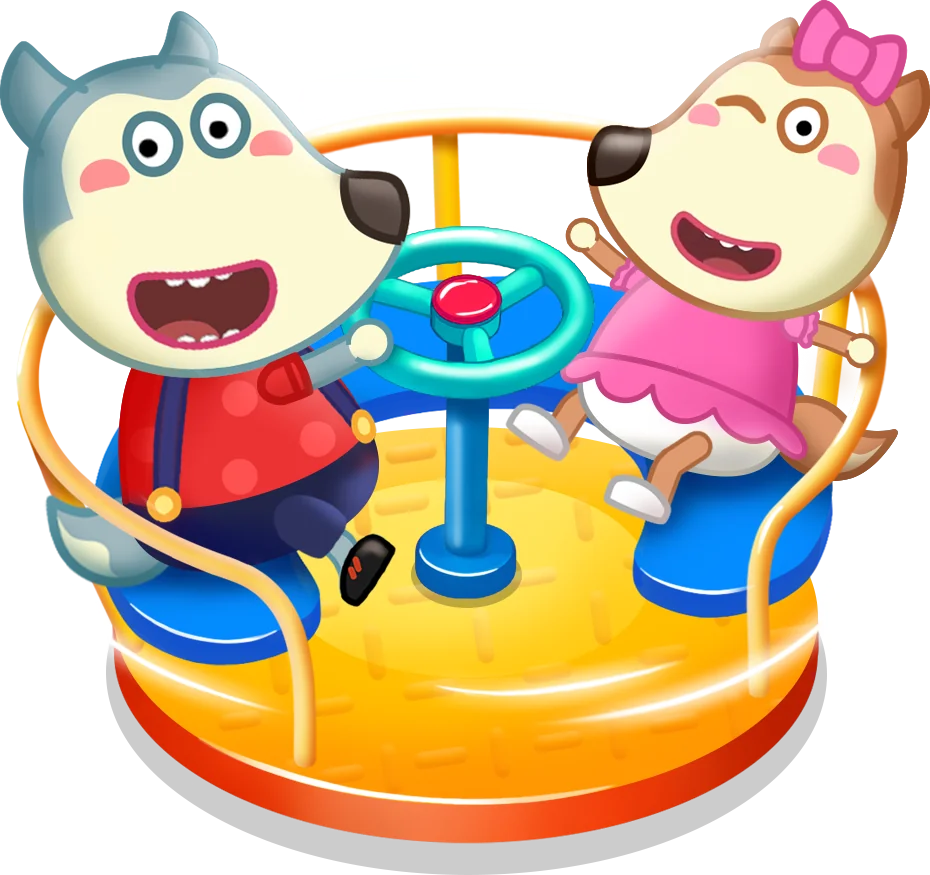
Sibling Squabbles: Understanding and Easing the Rivalry
Sibling squabbles are normal — and a chance to teach sharing. Understand why they happen and how to ease them fairly.
If you have two or more children who squabble all day, take heart: it is completely normal at a young age. Squabbling doesn't mean your child is "bad" or that you're parenting wrong — it's how children practise sharing, assert themselves, and learn to resolve conflict. The goal isn't to eliminate every clash, but to help them gradually handle it.
Why do siblings fight so much?
At preschool age, children are still learning to share and take turns — social skills that aren't yet fully formed. They also compete for a parent's attention and love, so a single toy is sometimes really a contest over "who is loved more." Understanding this helps parents feel less frustrated and respond more calmly.

What to avoid
- Comparing your children. "Why can't you be good like your sister?" fuels rivalry and hurt.
- Always making the older one give in. "You're older, you should give way" repeated endlessly breeds resentment.
- Rushing to judge who's right. Often no one "wins," and playing referee makes children rely on you.
How to ease it gently
- Acknowledge both children's feelings. "I can see you both want to play with this car."
- Teach turn-taking. Use a timer: "Each of you plays for five minutes, then swap."
- Let them negotiate. "Can you two think of a way to share so you're both happy?"
- Praise cooperation. "I love how you just shared the snack together."
- Give one-on-one time with each child. When a child feels filled up with love, the urge to compete fades.
Cooperative play instead of competition
Games that require coordination toward a shared goal help siblings learn teamwork rather than winning and losing. A few on the Wolfoo Game Portal to play together:
- Wolfoo Team Up — coordinate together to overcome challenges.
- Help Friends with Wolfoo — scenarios about helping and sharing.
- Wolfoo Memory Match — take turns flipping cards, practising waiting for your turn.

These games are free to play in the browser, designed to be child-safe under COPPA, include a parental controls page, and show only age-appropriate, non-personalized ads. Playing together is a great chance for parents to model turn-taking and celebrating shared wins — but it doesn't replace outdoor play and real conversation.
Frequently asked questions
When should I step into my children's argument?
For minor squabbles, let them try to work it out. Step in when there's risk of someone getting hurt or they're truly stuck, and lean toward coaching rather than judging.
Should the older child always give in to the younger?
Not by default. Fair turn-taking teaches mutual respect better than always making one side sacrifice.
What about jealousy when a new baby arrives?
Very common. One-on-one time with the older child and involving them in caring for the baby helps them feel they still matter.
References
HealthyChildren.org (AAP); Zero to Three — on sibling relationships and social-emotional development.