
Protecting Your Child's Eyes in the Screen Age: the 20-20-20 Rule and Outdoor Time
Protecting your child's eyes isn't about banning screens — it's two simple habits: resting the eyes with the 20-20-20 rule and enough outdoor play.
Protecting your child's eyes isn't about banning screens entirely — it comes down to two simple habits: resting the eyes regularly with the 20-20-20 rule, and making sure your child gets enough outdoor activity. These two matter more than counting every screen minute.
Why are more children becoming nearsighted?
According to school-health statistics, refractive errors (most commonly myopia) are rising fast among school-age children, with estimates around 30–40%. Eye specialists point to two main causes: prolonged close-up focusing (screens, books) and too little time outdoors.
When the eyes must focus continuously at close range, the eye muscles tire, and over time this can contribute to myopia. The good news: a few simple habits ease the strain on your child's eyes.
The 20-20-20 rule
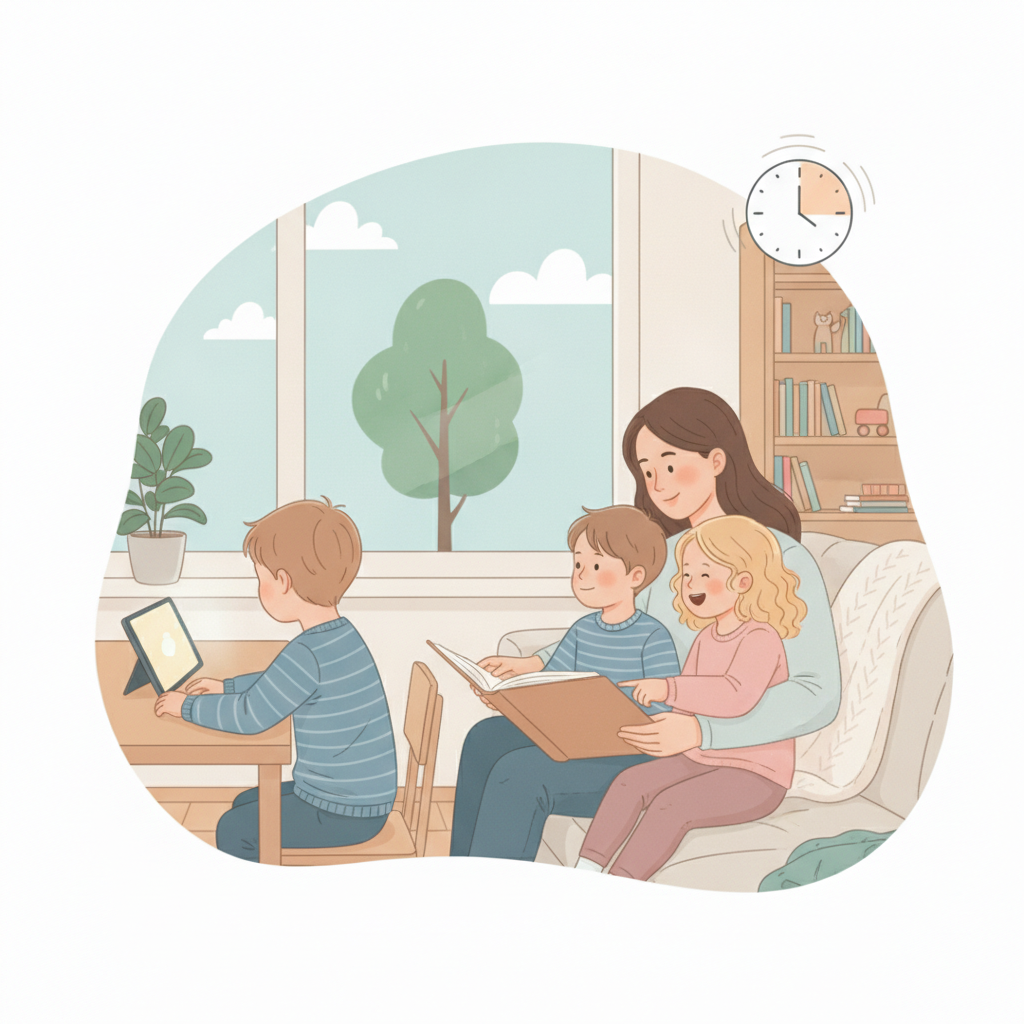
This is an easy way to remember eye breaks: after every 20 minutes of close-up focus, have your child look at something about 20 feet (6 metres) away for at least 20 seconds. A few seconds of distance gazing relaxes the focusing muscles.
You can turn it into a little game: "After this round, let's both look at the tree outside and count to 20."
Two hours outdoors a day
Experts consider outdoor time the single most important protective factor: natural light and distance viewing support healthy eye development. A common recommendation is at least about two hours of outdoor activity per day when possible.
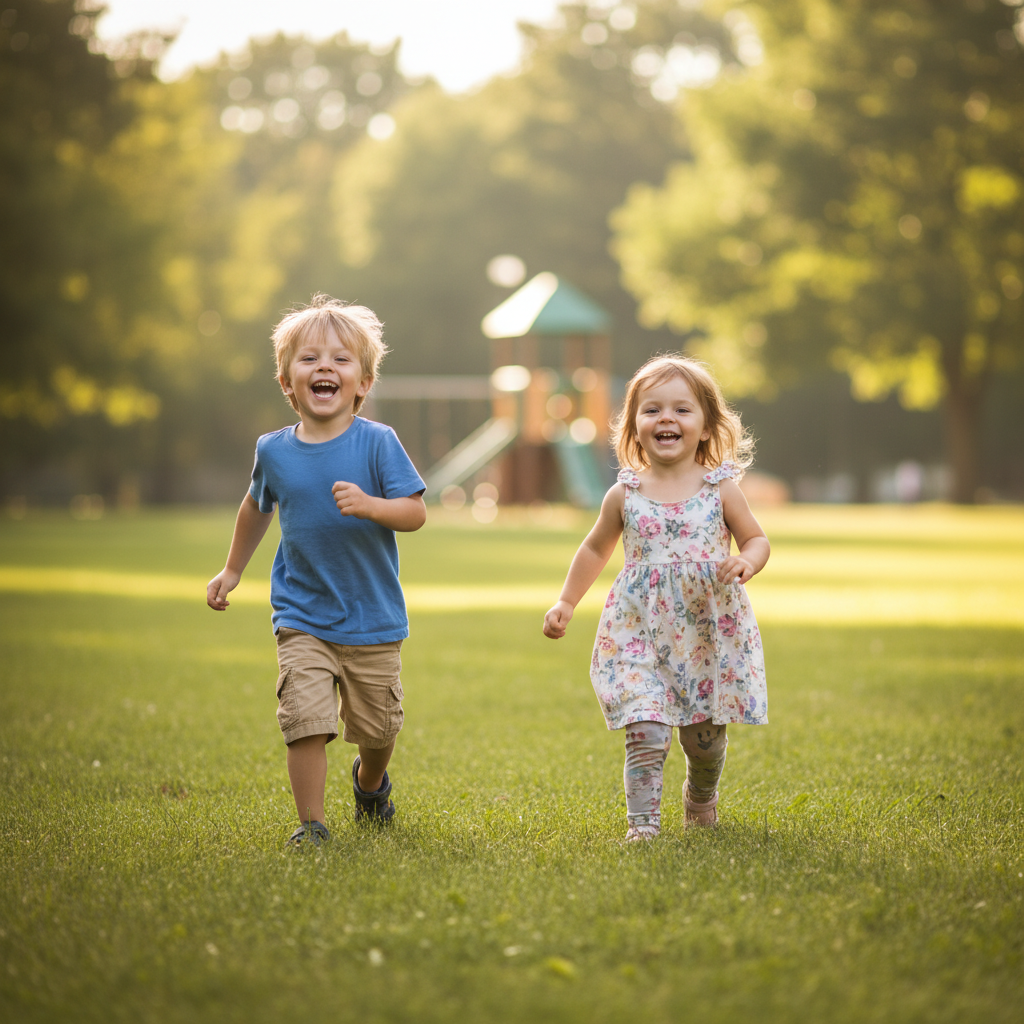
It needn't be elaborate: walking, playing in the yard, cycling or a trip to the park all count. What matters is doing it daily.
Setup tips when your child uses a screen
- Distance. Keep handheld screens at least an arm's length away; sit back from the TV.
- Lighting. Keep the room well lit; avoid screens in the dark.
- Posture. Sit upright rather than lying down to watch.
- Short sessions. Break time into shorter stretches with rests, not one long block.
- Regular eye checks. Have your child's eyes checked every six months for early detection.
Choose short-round games so eyes can rest
If your child has screen time, games with short rounds make it easy to slot in eye breaks between them. A few on the Wolfoo Game Portal:
- Wolfoo Memory Match — short rounds; the end of a round is a cue to look far away for 20 seconds.
- Wolfoo Spot the Difference — finish one picture, then rest the eyes.
- Wolfoo Catch — short rounds for younger children, easy to stop on time.
These games are free to play in the browser, designed to be child-safe under COPPA, include a parental controls page, and show only age-appropriate, non-personalized ads. Note: games are not "good for the eyes" — they only make it easier to break up sessions; it's the eye rests and outdoor time that actually protect your child's vision.
Frequently asked questions
How far should my child sit from the screen?
Keep handheld devices at least an arm's length away; sit a few metres back from the TV. Avoid screens right up against the face.
Is blue light harmful to the eyes?
The bigger concern is prolonged close-up focus and too little outdoor time. Regular eye breaks and outdoor play matter most.
How often should my child have an eye exam?
Typically every six months, or sooner if your child squints, rubs their eyes, or sits very close to screens. This is general information, not a substitute for a specialist exam.
References
Guidance from eye-care specialists and school-health recommendations on the 20-20-20 rule and outdoor activity time for children.