
A Parent's Story: My Child Started Naming Colors After Playing Wolfoo
After a few weeks of color games, many kids start naming colors in everyday life. Here's the story of how play turns into real learning — and how you can create it with Wolfoo.
Many parents tell us about the
same sweet moment: after a few weeks of color games, their child suddenly
points at an apple and shouts “Red!” That's the moment play quietly turns into
real-world knowledge — and the good news is you can create that moment too.
When colors “step out” of
the screen
It usually happens naturally. A
child plays coloring and color-matching games, repeating red – blue – yellow
while having fun. A few weeks later, colors start “stepping out” of the screen:
they name the color of their shirt, a toy car, a flower in the yard. Not
because they memorized a lesson, but because they played with colors enough to
recognize them everywhere.
Why play helps kids learn
colors fast
Recognizing and naming colors is
a typical language-and-cognitive milestone in the preschool years (CDC,
Developmental Milestones). Joyful repetition that links a color to a concrete
image helps kids remember more naturally than dry “teaching.” And when a parent
plays along and says the colors out loud, it works even better — co-play is one
of the most powerful ways young children learn (AAP).
How Wolfoo games helped
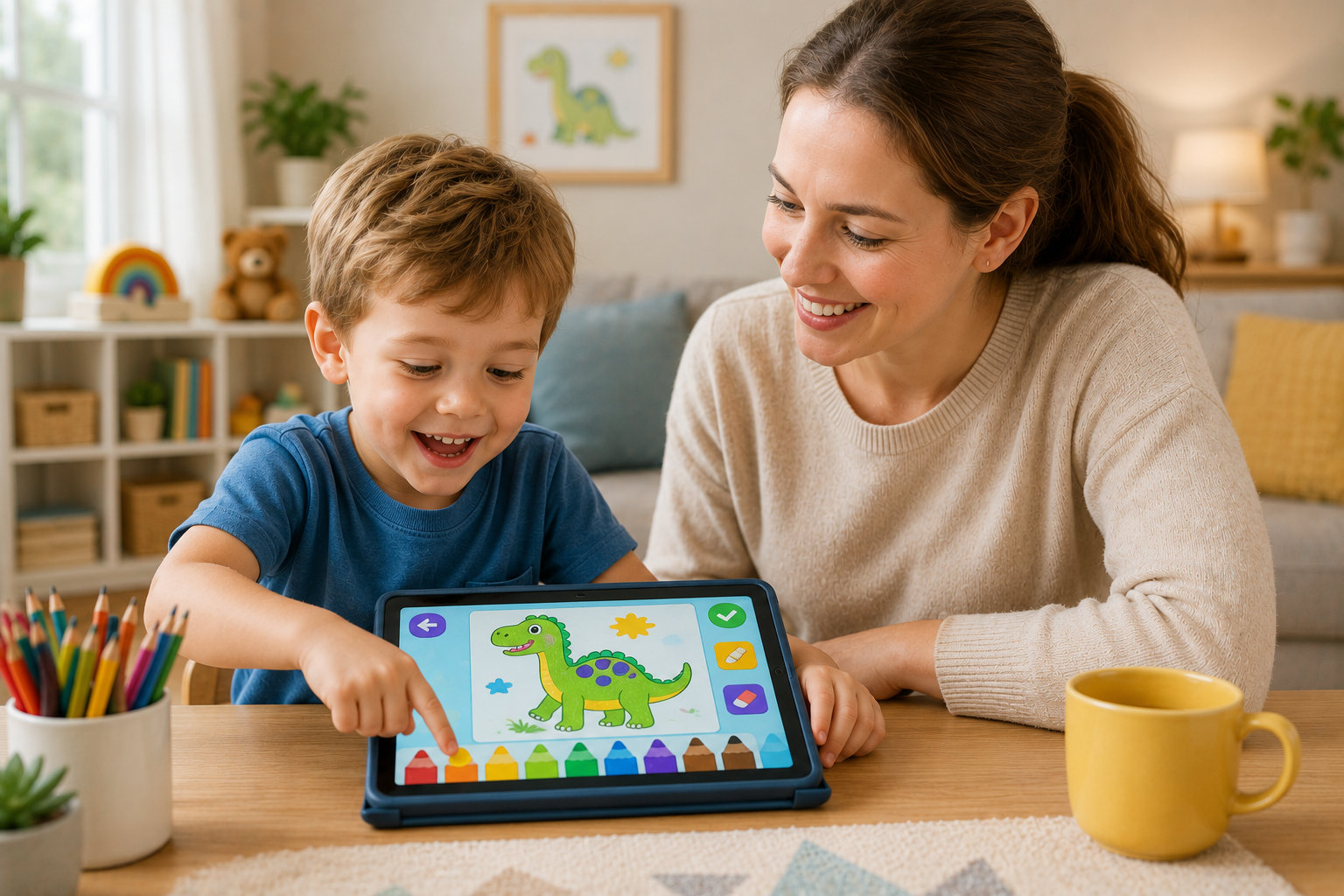
Wolfoo's color games — like
Wolfoo Magical Coloring Pages — let kids choose, color, and
match colors, with cheerful feedback each time they get it right. A small tip:
while playing together, say the colors out loud (“let's color it green!”) so
your child sees, hears, and does at once — three channels that help it stick.
Bring colors into real life
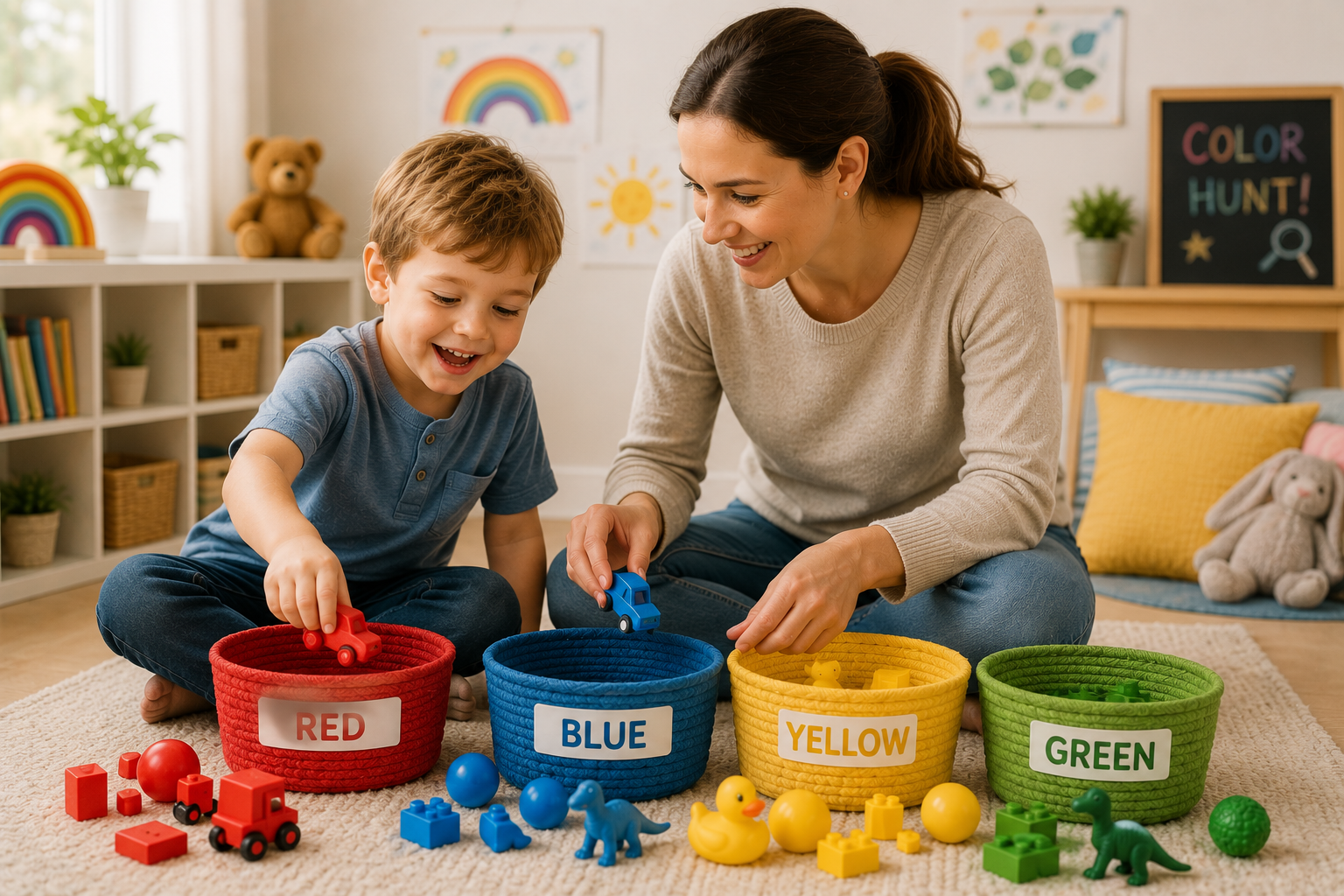
Turn what they learned into an
offline game: “Find me something blue in the room!”, sort toys by color, or
color a picture together. It reinforces the learning and adds screen-free time
— balanced play at its best.
👉
This week, play a Wolfoo color game with your child — then notice where they
start naming colors around the house.
Sources
• CDC — Developmental Milestones
(Learn the Signs. Act Early.). https://www.cdc.gov/ncbddd/actearly/milestones/index.html
• Yogman, M., et al. (2018). The
Power of Play. Pediatrics — AAP. https://publications.aap.org/pediatrics/article/142/3/e20182058/38649/The-Power-of-Play-A-Pediatric-Role-in-Enhancing