
Do Puzzle Games Really Make Kids Smarter?
Puzzle games won't turn a child into a genius, but they can build specific thinking skills. Here's the honest picture and how to play well.
The honest answer: no game magically "makes a child smarter." But age-appropriate puzzle games can help children practise certain thinking skills — patience, step-by-step reasoning and pattern recognition — as long as play is moderate and done well.
What does "smarter" really mean?
When parents hope a child will be "smart," what truly helps are foundational skills: pausing to think, trying-failing-trying again, holding information in mind, and persisting with something hard. These are part of executive function — the groundwork for later learning.
According to the American Academy of Pediatrics (AAP), play — especially interactive play — helps children build planning, organization and emotional regulation. Puzzle games are just one of many forms of that play, no more.
What do puzzle games actually build?
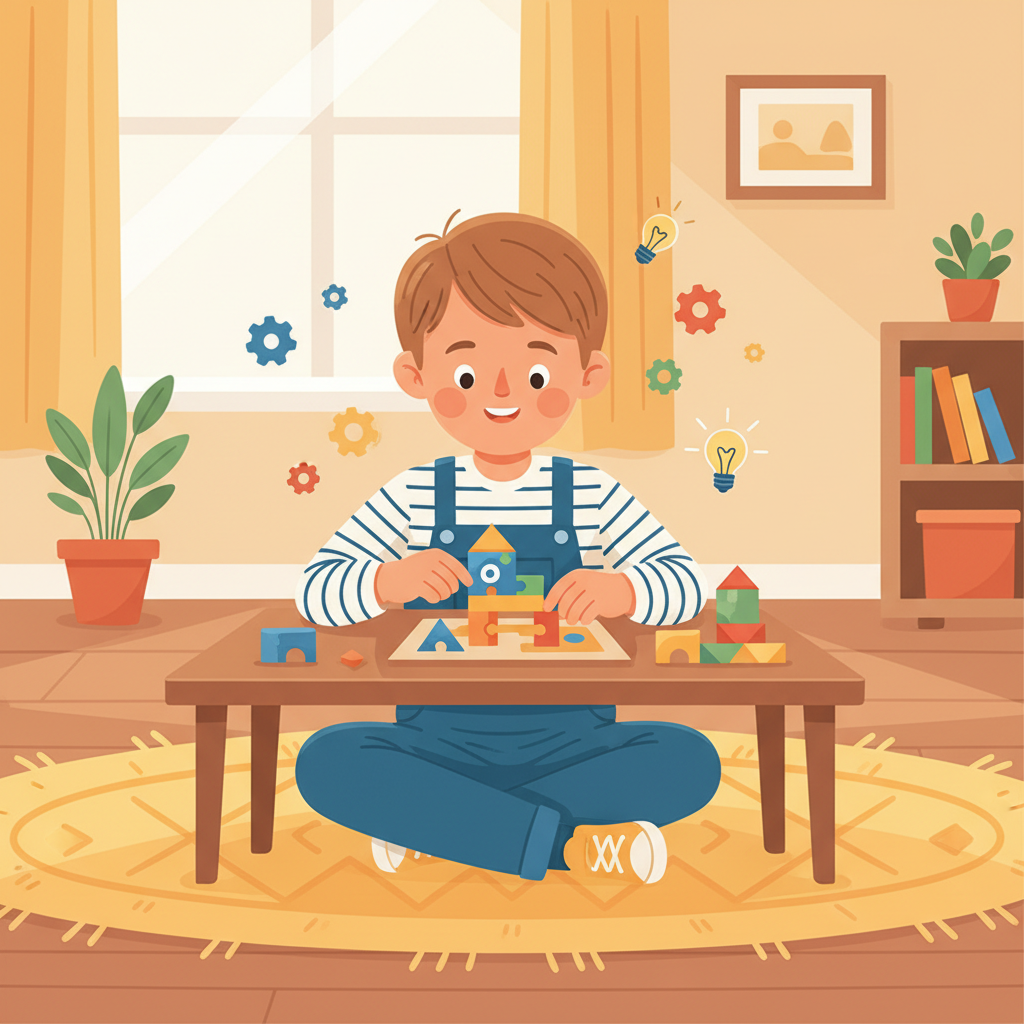
- Step-by-step thinking. Many puzzles ask a child to consider "if I do this, what happens?" before acting.
- Patience and tolerating failure. Trying again after a mistake is an important emotional skill.
- Spotting patterns and sorting. Ordering colours, shapes and numbers.
- Purposeful focus. Looking carefully to find a solution.
A caveat: these skills improve within the game's own context. They do NOT automatically translate into higher grades at school. Think of a game as a small practice ground, not a "smart pill."
How to play in a useful way
- Pick the right difficulty. Too easy is boring, too hard is frustrating. "A little challenging" is best.
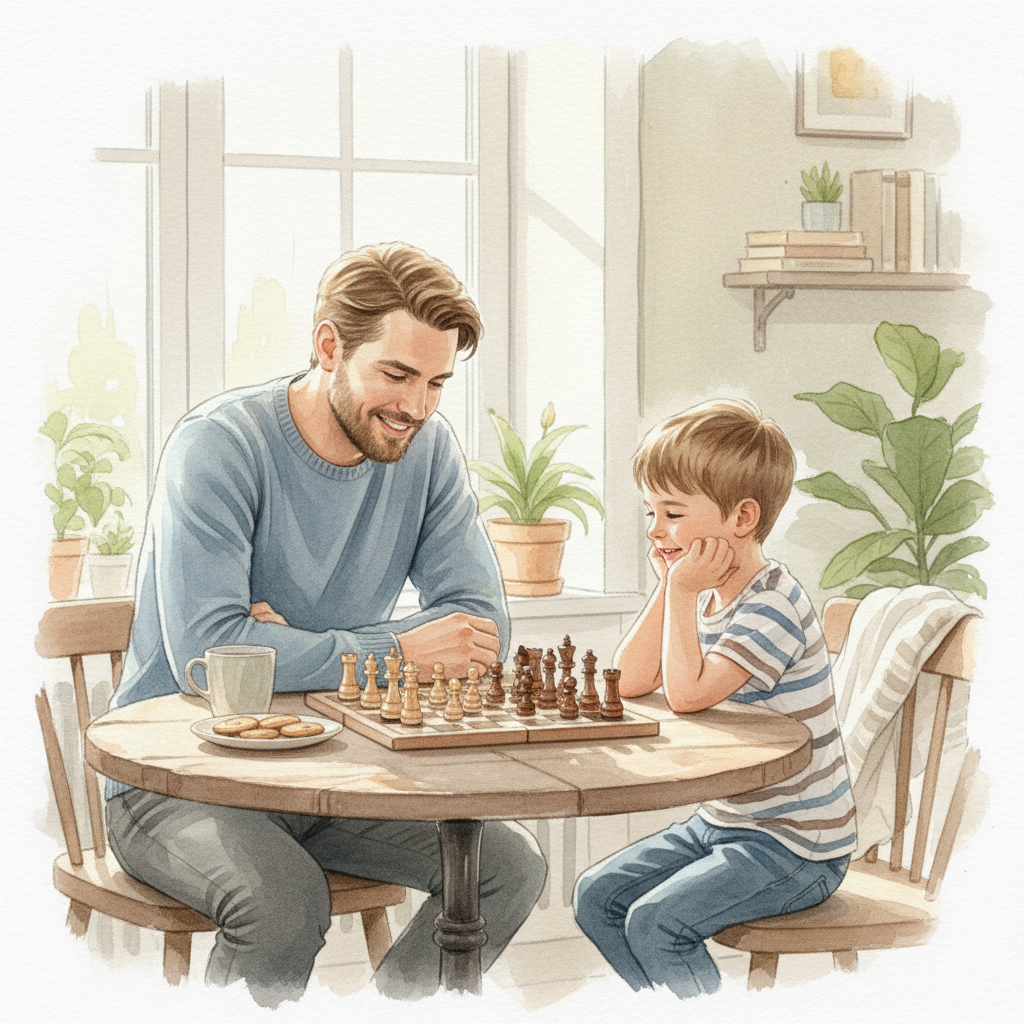
- Ask what they're thinking. "What will you try next?" helps a child put thinking into words.
- Set clear time limits. Play one or two rounds, then stop — avoid long unbroken sessions.
- Praise the approach, not "being clever." "I like how you tried again when it wasn't right."
A few age-based puzzle games
On the Wolfoo Game Portal, several puzzles suit gentle thinking practice:
- Wolfoo Water Sort Puzzle (ages 5–12) — pour coloured water into the right tubes, practising patience and step-by-step reasoning.
- Wolfoo One Line (ages 5–12) — draw a single line through every point, encouraging planning before acting.
- Wolfoo Chess Champion (ages 6–12) — beginner chess, practising thinking before moving.
These games are free to play in the browser, designed to be child-safe under COPPA, include a parental controls page, and show only age-appropriate, non-personalized ads. They lightly complement play and learning — they don't replace outdoor play or real human interaction.
Frequently asked questions
How many puzzle games a day is enough?
For ages 2–5, total screen time should stay around one hour of quality content per day (per AAP). Puzzle games should be only a small part of that.
Do games replace real toys?
No. Physical toys and play with people offer sensory and social experiences screens cannot.
My child gets angry when losing — what should I do?
That's a chance to teach emotional regulation. Empathize first ("losing is frustrating"), then try again together.
References
American Academy of Pediatrics (AAP) — "The Power of Play", healthychildren.org.