Understanding Your Child Through Play: 5 Things Their Reactions Reveal
How your child plays reveals their personality, emotions, and thinking. Here are 5 things their reactions show — and how to observe it through Wolfoo games.
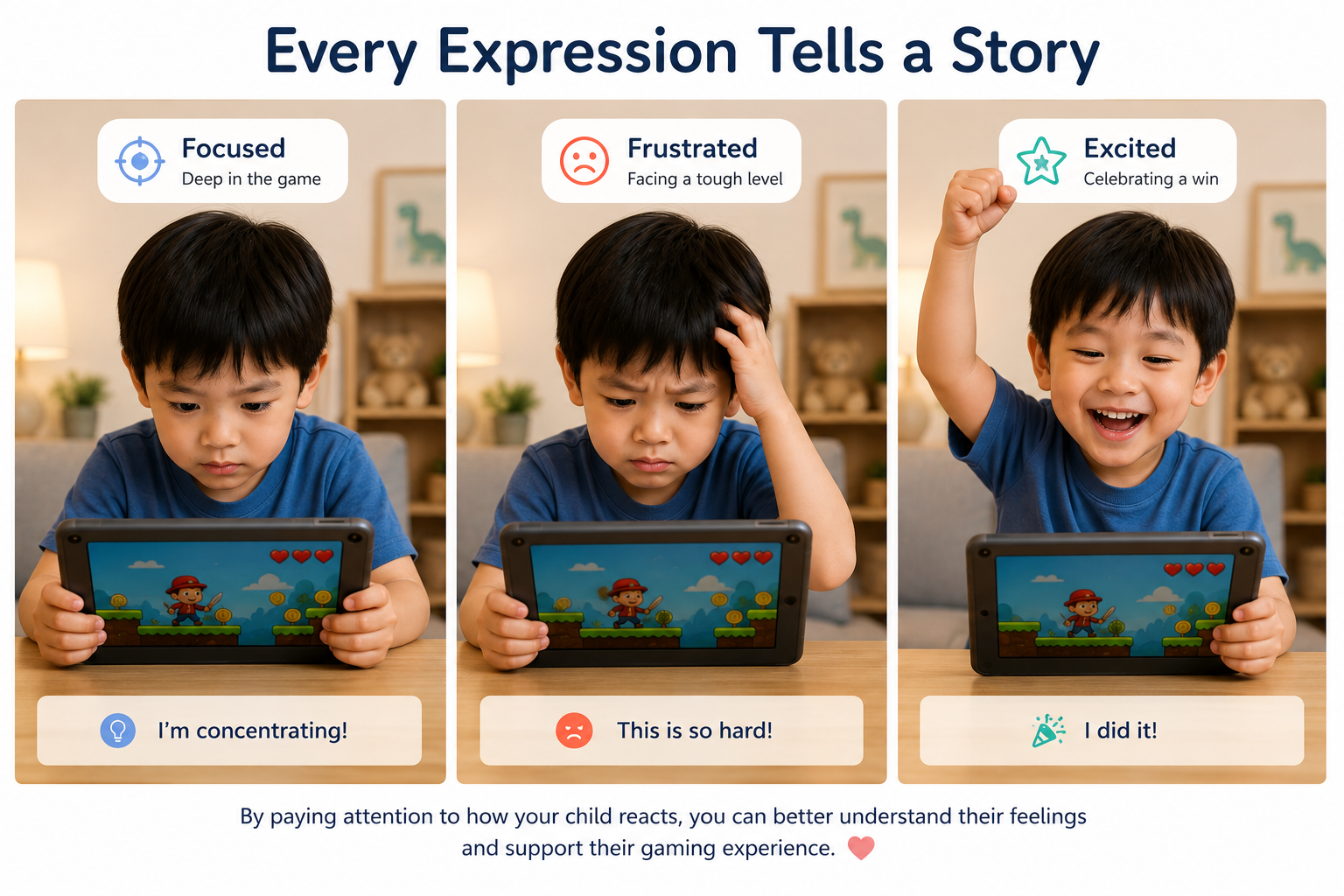
The way your child plays —
cheering at a win, reacting to a loss, staying patient or rushing ahead —
reveals a lot about their personality, emotions, and how they think. Just sit
beside them and watch for a few minutes, and you'll “read” your child more than
you'd expect.
Key takeaways
•
How your child plays reveals their personality,
emotions, and thinking.
•
Notice how they handle winning and losing, their focus,
and how they interact.
•
Some Wolfoo games are great for observing
(Spot-the-Difference, Memory).
•
Turn observation into support: praise effort and name
feelings.
Why play is a window into
your child
Play isn't just entertainment —
it's how children show their inner world. The American Academy of Pediatrics
notes that play builds and reveals a child's emotional, social, and thinking
skills (Yogman et al., 2018). As they play, children act out how they handle
challenges — something words can't easily express at ages 3–7.
5 things your child's
reactions reveal
•
How they handle losing: calmly try again, or get upset
and quit? A signal about emotional regulation.
•
Their problem-solving style: trial-and-error, planning
ahead, or asking for help right away?
•
Focus and patience: do they stick with it or lose
interest quickly?
•
What excites them: colors, numbers, stories, or
challenges — a clue to their leanings.
•
How they interact: do they take turns and share, or
want to win at all costs?
Observe your child through
specific Wolfoo games
Some games are great for
observing. With Wolfoo Spot-the-Difference,
notice your child's focus and patience as they hunt for tricky details. With
Wolfoo Memory, watch how they react when they forget
a card's spot — do they try again or give up? Play a few rounds together and
quietly observe, resisting the urge to fix things.
Turn observation into action
Observation helps when it shapes
how you support them. If your child gives up quickly, praise effort over
results: “You really stuck with that!” If they're impulsive, suggest “let's
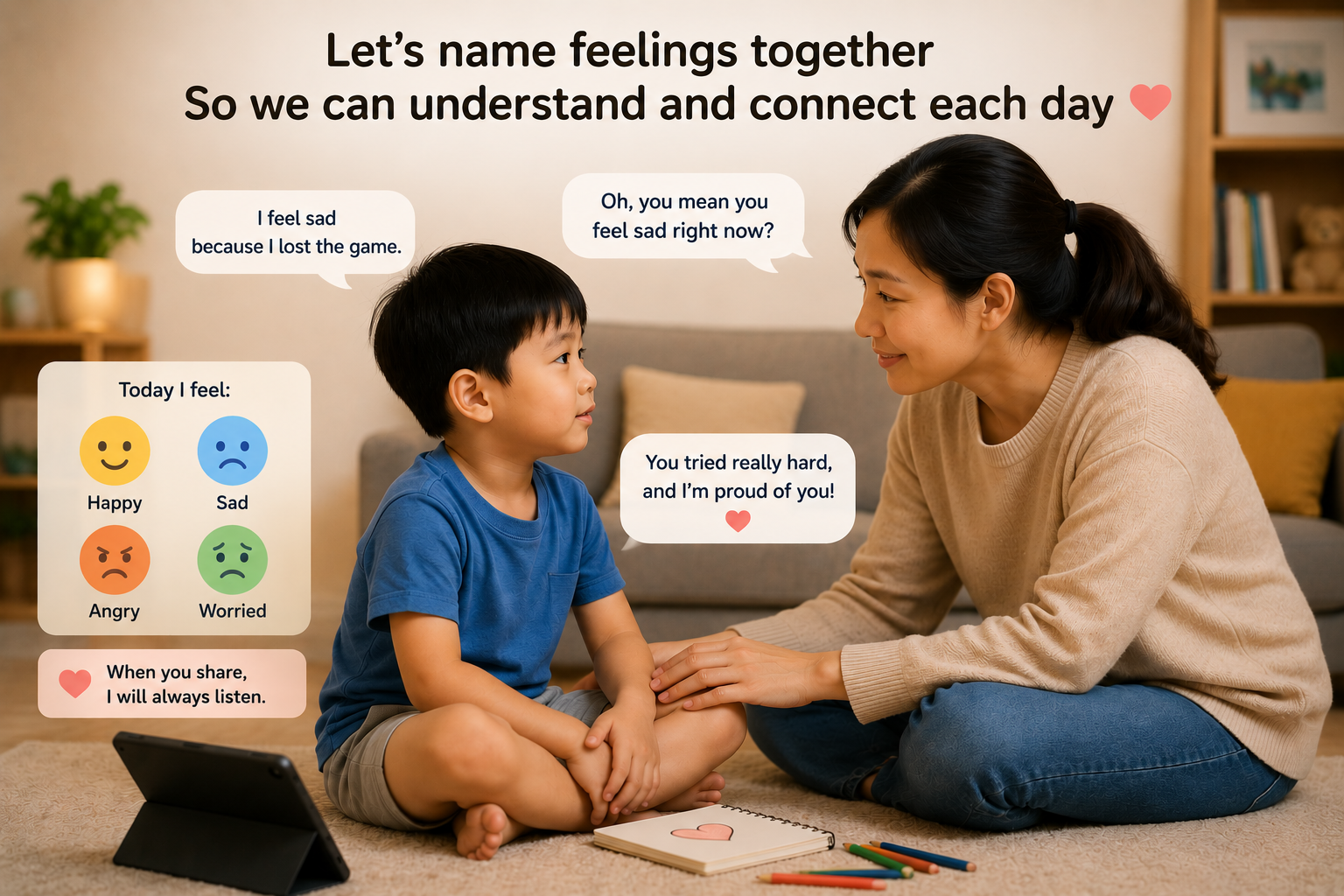
think for a second before we tap.” If losing upsets them, name the feeling:
“Losing feels frustrating, huh? That's okay.” It's a natural way to teach
emotional regulation.
FAQ
Can watching my child play
really reveal their psychology? It's a useful signal, not a verdict. Combine
what you see across many activities for the full picture.
My child gets upset when losing
— should I worry? Usually it's normal at a young age — emotional regulation is
still developing. Each time is a chance to gently teach how to cope.
Should I co-play or let them
play alone? Both. Co-play lets you observe and connect; solo play builds
independence.
👉
Next time, play a round of Wolfoo Spot-the-Difference or Wolfoo Memory with
your child — and notice what they're “telling” you.
Sources
• Yogman, M., et al. (2018). The
Power of Play. Pediatrics — American Academy of Pediatrics. https://publications.aap.org/pediatrics/article/142/3/e20182058/38649/The-Power-of-Play-A-Pediatric-Role-in-Enhancing
• AAP — Media and Children
(HealthyChildren.org). https://www.healthychildren.org/English/family-life/Media/Pages/default.aspx