

Summer Screen Time: A Calm Family Plan for the Long Break
Screen time balloons over summer. The trick isn't banning it but having a plan: time blocks, screen-free zones, and noticing what screens replace.
Over summer, screen time easily balloons because kids are home all day. The trick isn't banning screens — it's having a simple plan: set time blocks, keep screen-free zones, and notice what screens are replacing.
Why summer screens get out of hand
With no school schedule, long days and hot weather, "just a little while" easily becomes hours. This is completely normal, and you don't need to feel guilty. But a plan set at the start of summer saves the whole family from daily negotiating.
What's new in AAP's guidance
The American Academy of Pediatrics (AAP) increasingly emphasizes that what matters isn't only the number of hours, but what screens are replacing. If screens crowd out sleep, movement, family meals and outdoor play, that's the real concern. Instead of only counting minutes, ask: has my child moved, slept enough, and had family time today?

Build a family media plan
AAP offers a Family Media Plan tool on healthychildren.org. You can make a simple version yourself:
- Clear time blocks: e.g. "after lunch, 30 minutes" — easier to remember than "when chores are done."
- Screen-free zones: the dining table and bedrooms — two places best kept screen-clean.
- Alternative activities: keep a ready list of outdoor play, reading and drawing so your child has choices when time is up.
- Regular review: the start of summer and the start of the school year are great times to adjust the plan.
Choose content with a "natural stopping point"
Not all content is equal. Infinite-scroll, autoplay content makes it hard for kids to stop. By contrast, level-based games have a natural finish line that helps a child know when to pause. For example, a puzzle like Wolfoo Water Sort ends after each level; Wolfoo Memory and Wolfoo Sequence also have clear stopping points — making it easy to agree on "one more level, then we stop."
These games are free to play in the browser, designed to be safe for children under COPPA, and show age-appropriate, non-personalized ads.
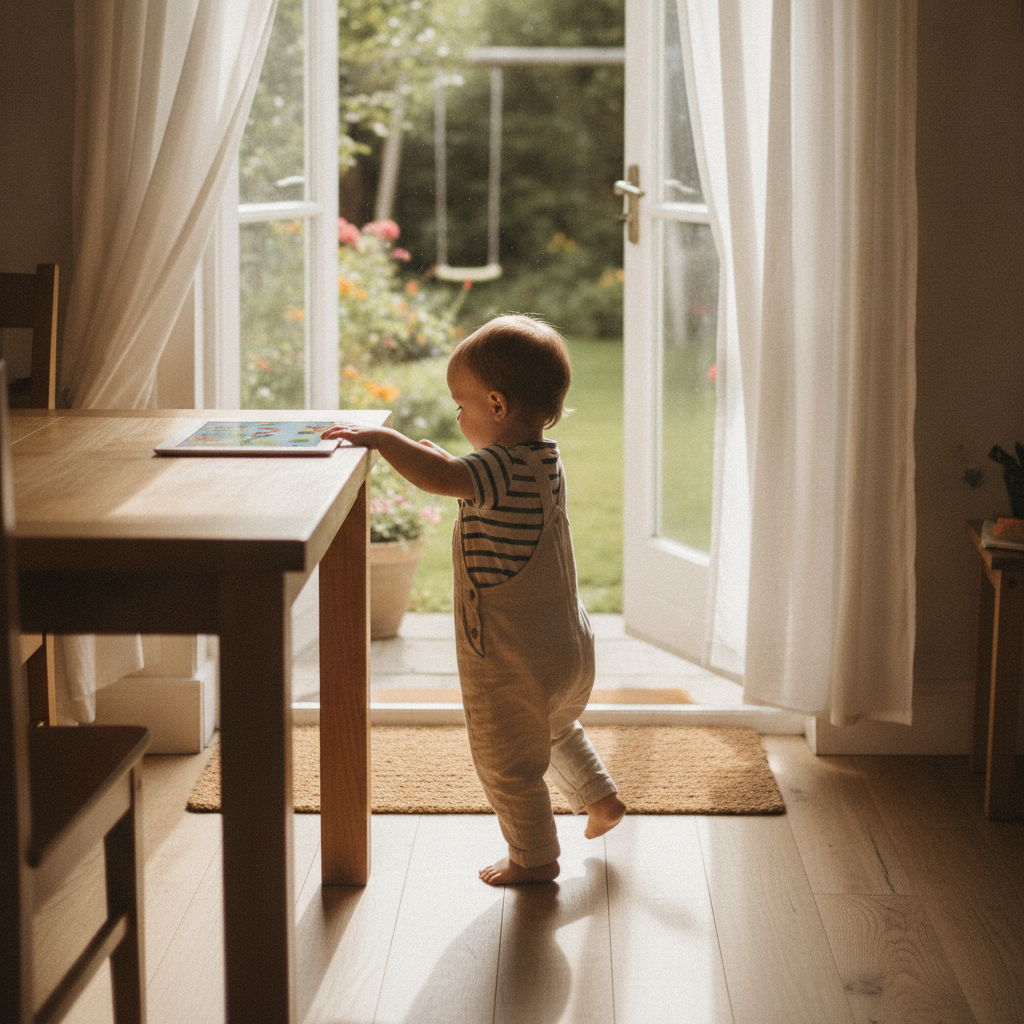
Sample lines for when time is up
- "Five more minutes — finish this level, then we put it away."
- "Screen time is over. Should we go outside or read a book? You choose."
- "I can see you're having fun, so stopping is hard. We'll play again tomorrow."
Frequently asked questions
How much is enough over summer?
There's no magic number for every family. For preschoolers, around one hour a day of quality content with an adult co-viewing is a useful reference point — as long as it doesn't crowd out sleep and movement.
How do I avoid a battle every time screens go off?
Giving a warning, using content with stopping points, and having the next activity ready will noticeably cut down on meltdowns.
A balanced summer doesn't need to be perfect — just intentional. When you lead rather than react, screens return to their rightful place: a small, fun part of the summer day.
Sources: American Academy of Pediatrics — Family Media Plan (healthychildren.org); AAP updated screen-time guidance (2026).