

Raising Resilient Kids: Why Not to Praise 'Being Smart'
Raising resilient kids isn't shielding them from failure. One small shift: praise effort instead of 'being smart'.
Raising resilient kids isn't about shielding them from failure — it's about helping them get back up after a stumble. One small but powerful shift: instead of "you're so smart," praise effort and the way your child worked at something. How we praise shapes whether a child embraces or avoids challenges.
Why not praise 'being smart'?
Research on the growth mindset by psychologist Carol Dweck shows that children praised for effort and strategy tend to take on hard tasks and persist longer; by contrast, children praised for "being smart" tend to avoid challenges — afraid that a mistake will cost them the "smart" label.
In other words, praising talent inadvertently teaches a child that worth lies in results; praising effort teaches that trying is what matters — and that mistakes are part of learning.
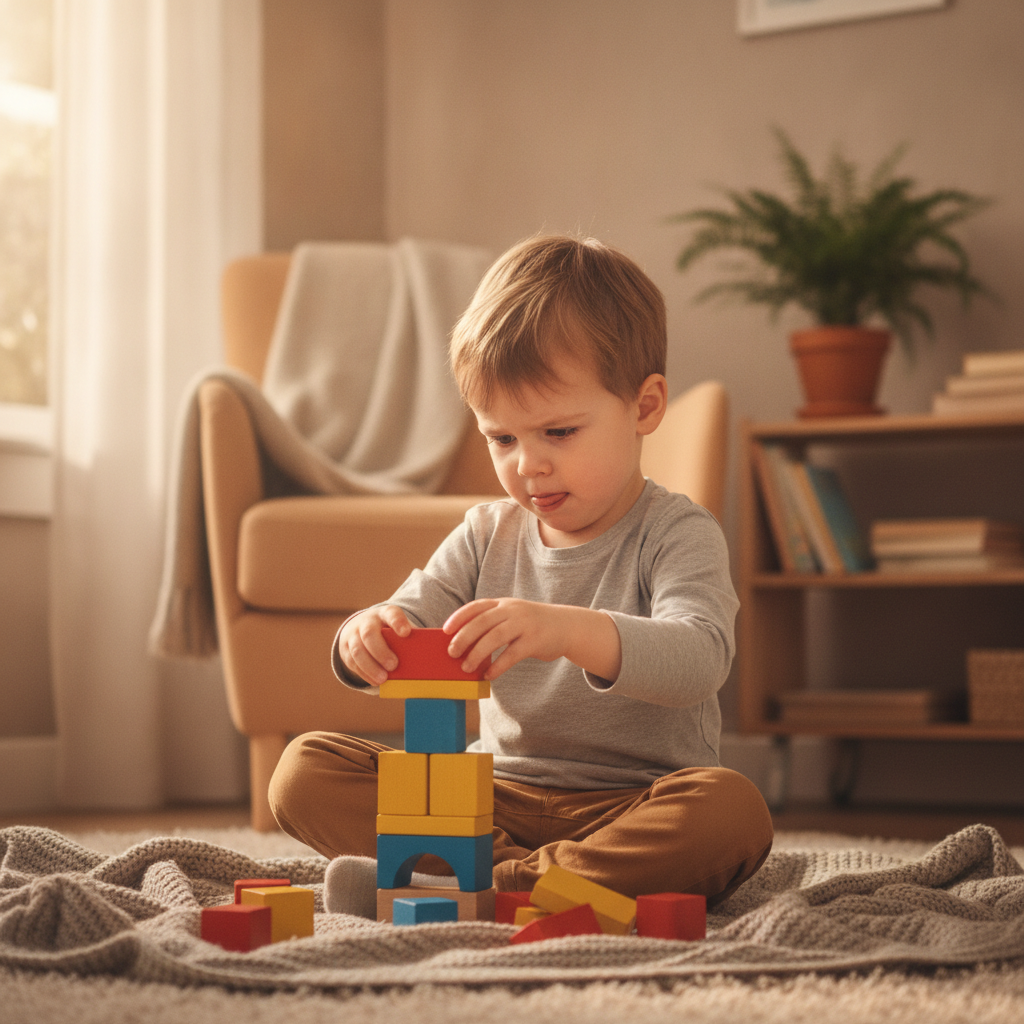
The power of the word 'yet'
When your child says "I can't do it," gently add one word: "you can't do it yet." That "yet" turns a self-judgment into a promise: today's hard thing is something your child is on the way to mastering.
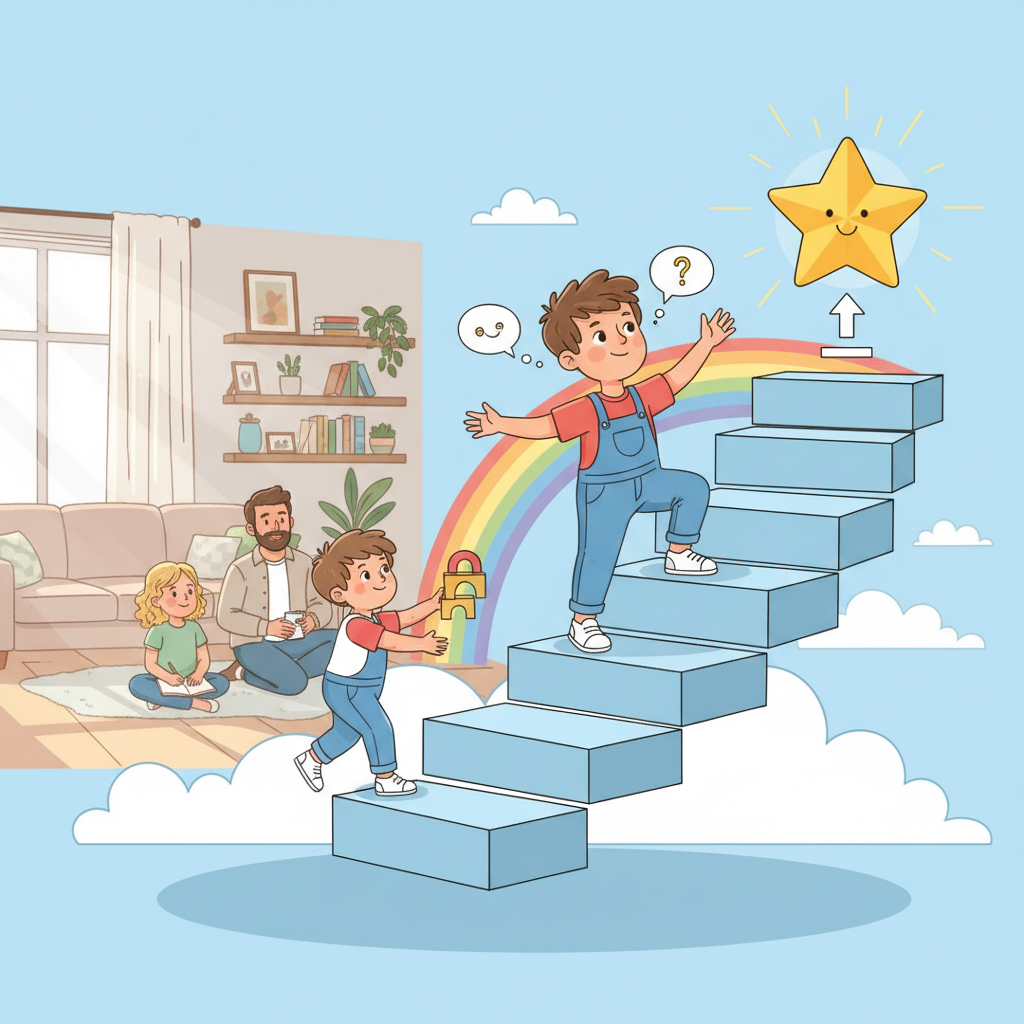
Don't rush to 'rescue'
A widely discussed trend lately is pushing back on overparenting. When parents do everything so a child is never frustrated, the child may quietly conclude "I probably can't do it myself." Let your child face appropriately hard challenges, staying beside them to encourage rather than doing it for them. Tolerating a little controlled discomfort is exactly where resilience grows.
Praise and phrases that build resilience
- Praise effort: "You kept trying again and again — that's real persistence!"
- Praise strategy: "I like how you tried a different way when it wasn't working."
- Support when discouraged: "This is hard. Shall we take a short break and try again?"
- Normalize mistakes: "It's okay to get it wrong — everyone needs practice to get good."
Games that practise 'trying again after failing'
Some puzzle games let you retry easily, making a low-stakes practice ground for try-fail-try-again:
- Wolfoo Water Sort Puzzle — restart a round easily, practising patience.
- Wolfoo One Line — try several ways until it works.
- Wolfoo Chess Champion — lose a game, then play a new one, learning from earlier moves.
These games are free to play in the browser, designed to be child-safe under COPPA, include a parental controls page, and show only age-appropriate, non-personalized ads. What matters isn't "winning," but how a parent stays beside the child praising effort when they try again. Games only complement — they don't replace real-life experience.
Frequently asked questions
So I can't praise my child anymore?
Of course you can! Just shift the focus: praise what your child did (effort, strategy) rather than fixed labels like "smart" or "the best."
My child cries when losing or making mistakes — what should I do?
Empathize first ("losing is frustrating"), then look together at what to try next time. Avoid dismissing feelings or teasing.
At what age can a child understand this?
From preschool, children already sense how parents respond. Consistent praise over time gradually shapes their attitude toward challenges.
References
Carol Dweck — research on the growth mindset; HealthyChildren.org (AAP); articles on countering overparenting published by CNBC (2026).