Kindergarten Readiness: The Skills Your Child Really Needs (and Playful Ways to Build Them)
Kindergarten readiness isn't early reading. It's confidence, independence, communication and routines. 5 key skill areas and playful ways to build them.
Being ready for school doesn't mean your child must read or do math first. What matters more is confidence, self-care, communication and following simple routines. Here are the 5 skill areas children truly need — and gentle ways to build them through play this summer.
What school readiness really means
Many parents worry their child "can't read yet" before starting school. But early-childhood educators stress that readiness is mostly about confidence, communication, independence and the ability to follow routines — not early reading or sums. A child who can use the toilet, sit for a story, name feelings and wait their turn usually adjusts better than one who reads ahead of the curriculum but struggles when away from parents.
5 skill areas that matter
1. Independence & self-care
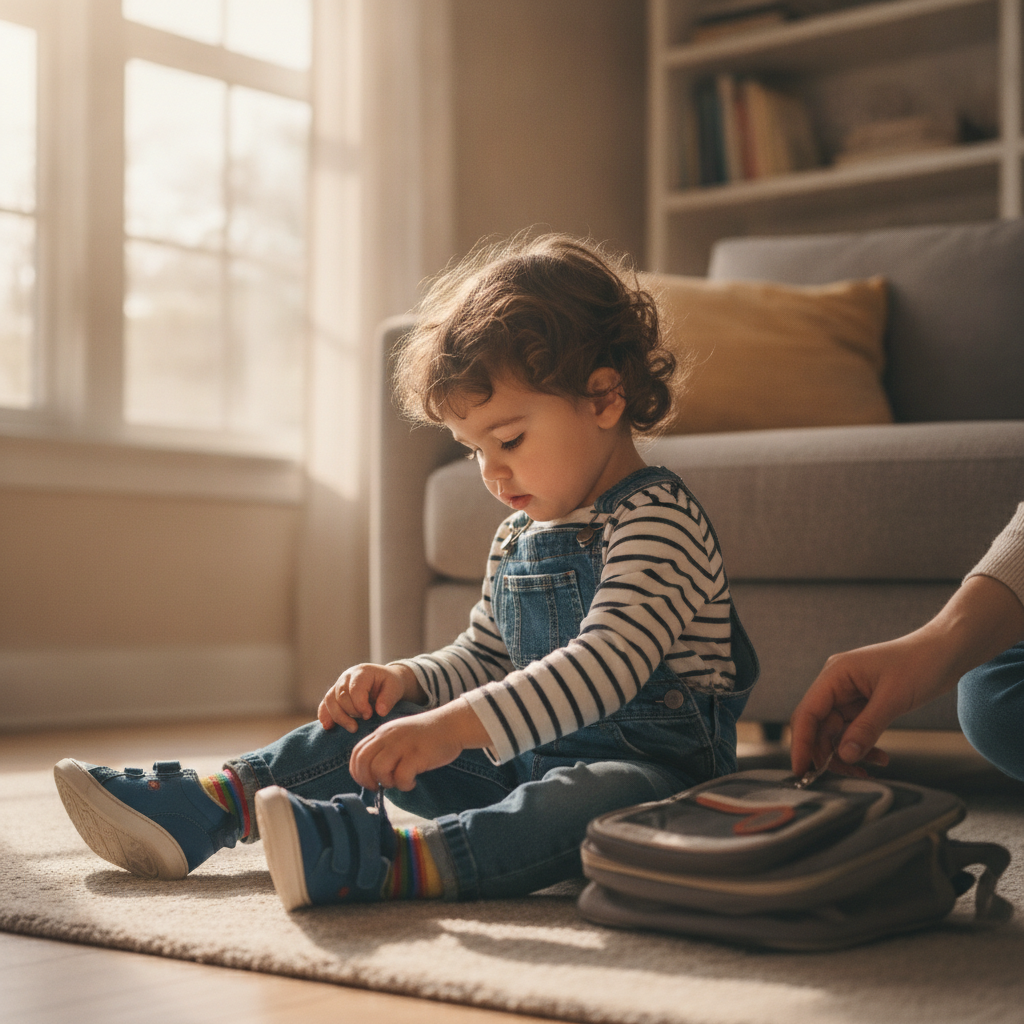
Using the toilet, eating alone, putting on shoes, managing zippers, and putting belongings away. Let your child do these themselves, even slowly, rather than doing it for them to save time.
2. Social-emotional
Separating from parents without too much distress, naming feelings, waiting turns, sharing toys. This is often the area that decides whether your child feels happy at school.
3. Language & communication
Speaking in 3–5 word sentences, following 2–3 step instructions, answering simple questions, and recounting familiar events.
4. Fine motor skills
Holding a crayon, cutting, tearing, pasting, building — the small-hand work that lays the foundation for later handwriting.
5. Light academic foundations
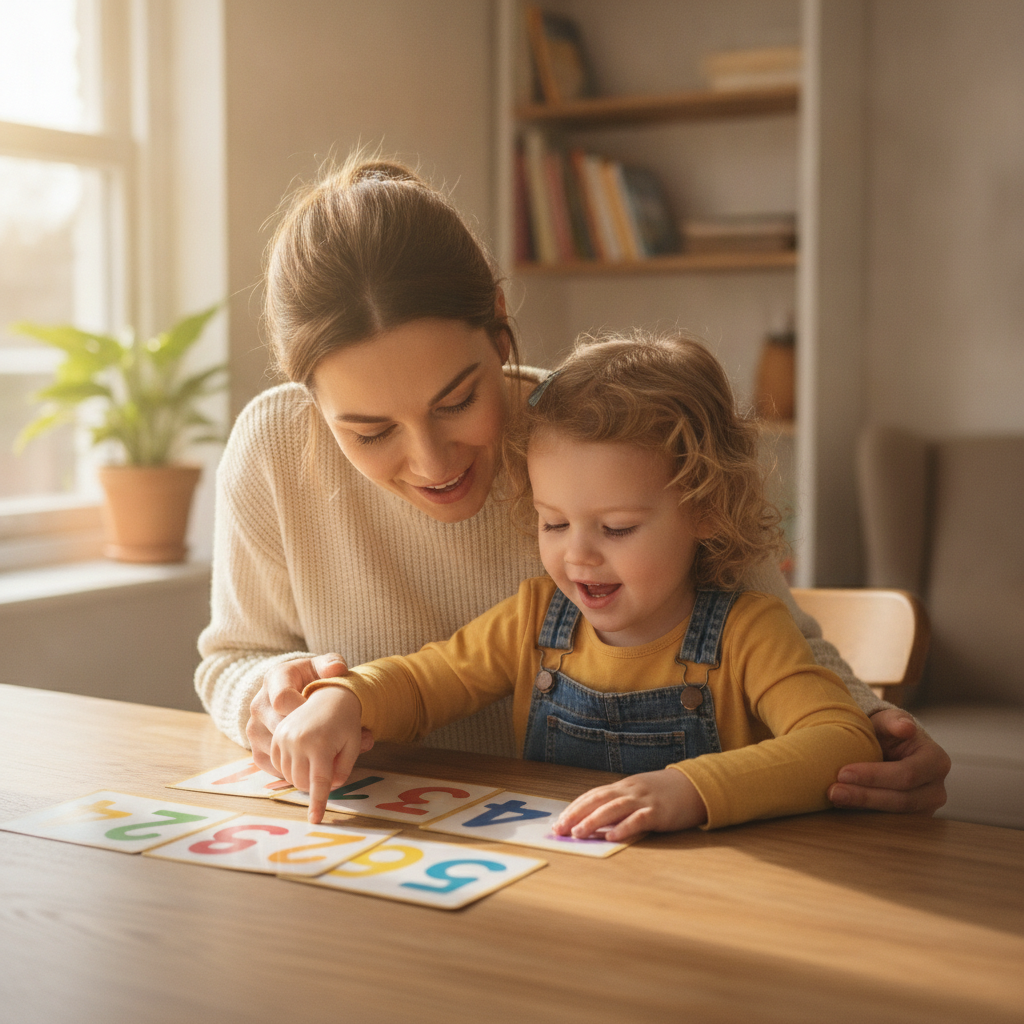
Recognizing letters, counting to ten, knowing basic colors and shapes. No need for mastery — just familiarity so nothing feels strange.
Building skills through summer play
Summer is the ideal time to "practice" without pressure. A few well-chosen minutes a day beat an hour of forced study. To get comfortable with numbers and counting, Wolfoo School Alphabet turns counting into gentle play. For letters and word building, Wolfoo Word Wonders helps children notice letters in a fun context. And to practice following a sequence and waiting for a turn — two skills classrooms need — Wolfoo Sequence is a nice choice.
These games are free to play in the browser, designed to be safe for children under COPPA, include a parental-controls area, and show age-appropriate ads. Treat them as a light supplement alongside real-world activity — not a replacement for learning.
Don't turn summer into "exam prep"
Too much pressure can make a child fear learning before it even begins. The goal is a curious, confident child — not one who has "pre-learned" everything. Praise effort ("You tried counting again — so persistent!") rather than only results.
Frequently asked questions
My child can't read yet — are they behind?
No. At this age, recognizing letters and enjoying books is a great foundation. Fluent reading usually comes after school starts.
How long should we "practice" each day?
10–15 minutes of purposeful play, mixed with movement and rest, is plenty for the preschool years.
A child who starts school feeling confident goes further than one who starts under pressure. Walk alongside them gently — that's the biggest gift of all.
Sources: Empowered Parents — School Readiness Checklist; American Academy of Pediatrics (healthychildren.org) on social-emotional development.